
What Is Amazon FBA Prep?
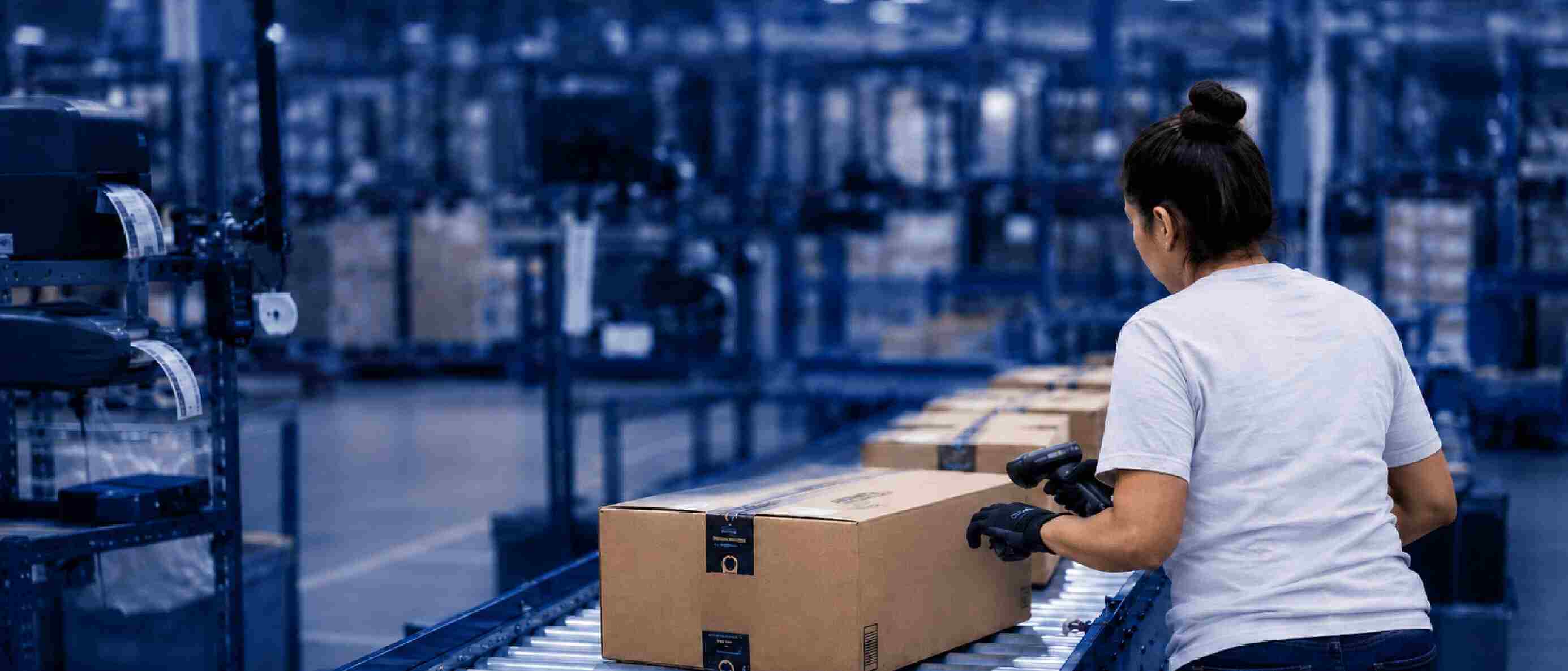
Amazon FBA (Fulfillment by Amazon) is one of the most powerful ways to sell online — but Amazon won't accept just any package that shows up at their warehouse. Every unit you send to Amazon's fulfillment centers must arrive prepped according to their current inbound compliance standards. That prep process — labeling, bagging, bundling, inspecting, and packing your products exactly the way Amazon requires — is called FBA prep.
An FBA prep center is a third-party warehouse that handles that work for you. You ship your inventory to the prep center. They receive it, inspect it, apply FNSKU labels, poly bag products that need suffocation warnings, build bundles and multi-packs, and pack everything into shipment-ready cartons or pallets. Once the prep is complete, they ship your inventory directly to Amazon's fulfillment centers — compliant, accepted, and ready to sell.
Without proper FBA prep, Amazon can reject your shipment, return it to you at your cost, assess non-compliance fees, or — in some cases — dispose of the inventory entirely.
🔑 Key takeaway: FBA prep is not optional. If your products require labeling, bagging, bundling, or any special handling, they must be prepped to Amazon's specifications before they reach an Amazon fulfillment center. The only question is whether you do the prep yourself or outsource it to a dedicated prep center.
What Changed in 2026
In January 2026, Amazon discontinued its internal FBA Prep Service for most third-party sellers. Before 2026, sellers could pay Amazon to label, bag, and prep their inventory for a fee. That option is now gone for the vast majority of sellers. Every Amazon seller whose products require labeling, poly bagging, bundling, or other compliance prep must now either:
- Handle prep in-house (which requires staff, space, equipment, and time), or
- Use an external FBA prep center.
This shift has created an unprecedented demand for reliable third-party prep partners. Sellers without a prep relationship are facing delays, non-compliance fees, and stranded inventory — problems that were previously avoidable by paying Amazon to handle prep. In 2026, having a trusted FBA prep center is a requirement for selling on Amazon efficiently.
Who Needs an FBA Prep Center?
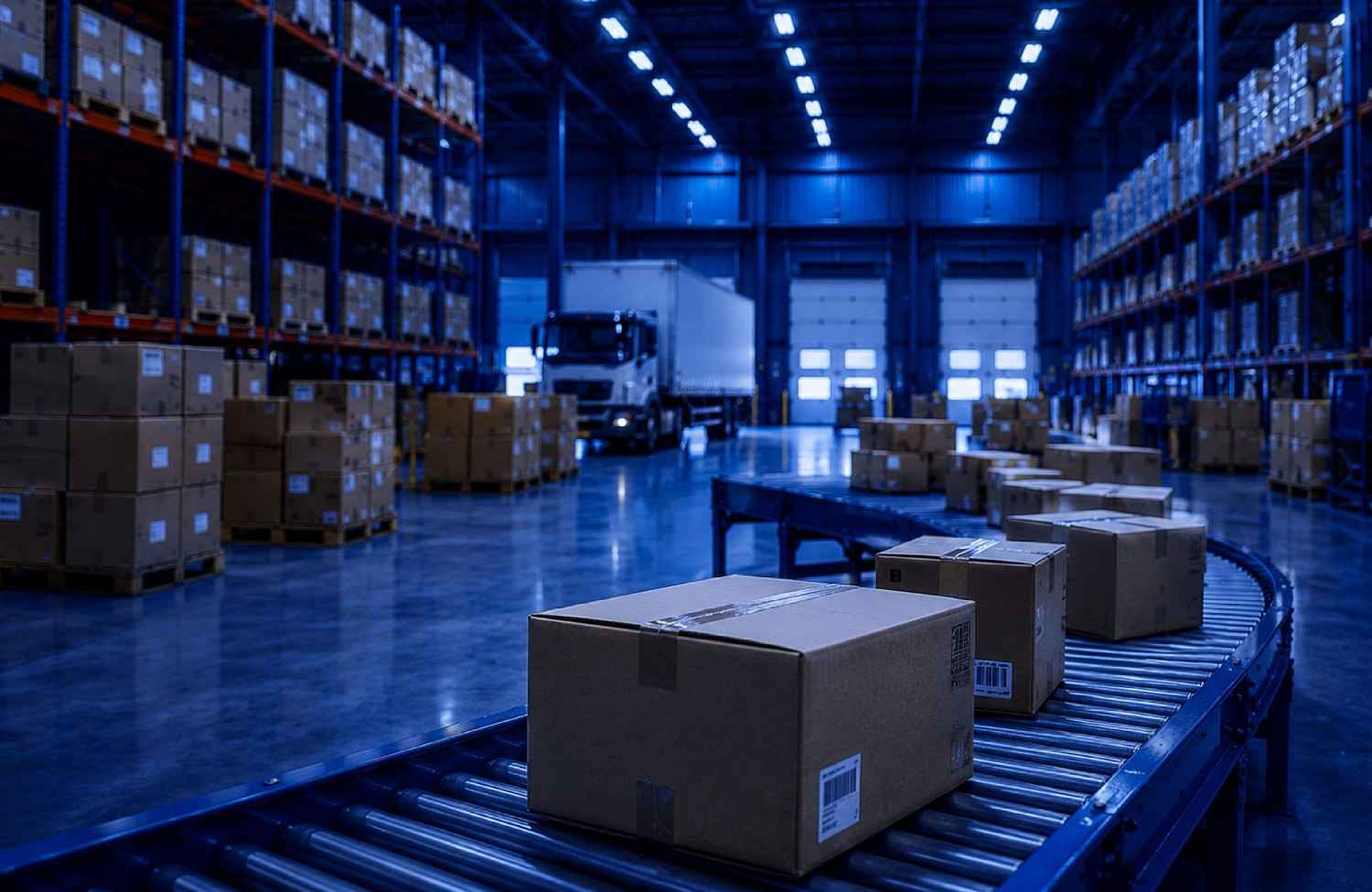
Not every product requires extensive prep. Simple, single-unit items in manufacturer-sealed boxes may only need an FNSKU label. But many product categories have specific prep requirements that Amazon enforces strictly:
- Products sold in poly bags — must use bag thickness meeting Amazon's spec, include a suffocation warning label, and be sealed properly.
- Multiple quantities of the same product sold as a single unit (multi-packs) — must be bundled together and labeled as a single ASIN, not as separate units.
- Kits containing multiple different products — must be assembled, packaged, and labeled as a single unit.
- Products with expiration dates — supplements, food, beauty products — require lot tracking and date verification before Amazon will accept them.
- Fragile items — require additional protective packaging and clear handling labels.
- Oversize or heavy items — have specific prep and palletizing requirements for LTL shipments.
If your product catalog includes any of these categories — and most growing Amazon catalogs do — an FBA prep center is the most efficient way to stay compliant without building a prep operation inside your own business.
Step-by-Step: What Happens at an FBA Prep Center?
The best FBA prep centers operate with a clear, documented workflow. Here is exactly what happens when you send inventory to a prep center:
Receiving Your Inventory
You ship your products to the prep center's warehouse. On arrival, the prep center counts every unit against your advance shipping notice (ASN). They document any discrepancies — short counts, damaged cartons, or mislabeled products — and send you a receiving report within one business day.
Product Inspection
Before any labeling or bagging happens, every unit is inspected for damage, condition, and compliance with the specifications in your Amazon shipping plan. Units that are damaged, expired, or non-compliant are flagged and quarantined before they enter the prep queue.
FNSKU Labeling
Each unit receives an FNSKU barcode label. The label must be placed according to Amazon's specifications — correct size, correct placement, and no obstructions over existing barcodes.
Polybagging and Suffocation Labels
Products requiring poly bags — including apparel, soft goods, and many multi-part items — are bagged to Amazon's poly bagging requirements: correct bag gauge, correct warning label placement, and sealed to prevent opening in transit.
Bundling and Kitting
Multi-pack products and kits are assembled according to your shipping plan. Multi-packs are bundled and labeled as a single unit. Kits are assembled, packaged, and labeled as a single unit.
Boxing and Cartonization
Prepped units are packed into shipment cartons according to Amazon's boxing guidelines. Each carton receives a carton label, and the contents are logged against the shipment in Seller Central. For LTL shipments, cartons are palletized, stretch-wrapped, and labeled with pallet placards.
Shipping to Amazon
The completed shipment is handed off to the carrier specified in your shipping plan and sent directly to the Amazon fulfillment center(s) assigned to your shipment. The prep center provides tracking information and confirms when the shipment is en route to Amazon.
💡 Pro tip: FNSKU label mismatches are one of the most common reasons Amazon rejects inbound shipments. A prep center that reads your shipping plan directly — rather than asking you to send label files — significantly reduces this risk.
📍 Location advantage: FBA prep centers located close to major Amazon fulfillment centers can get your inventory into Amazon's network the same day it leaves their dock. For sellers restocking fast-moving SKUs or launching promotions, that proximity is a genuine competitive advantage.
The Delaware Advantage

Lite Fulfillment operates its FBA prep center at 16 Germay Drive, Unit B, Wilmington, Delaware — 18 miles from Amazon's Middletown, Delaware fulfillment center. Once your inventory is prepped and leaves our dock, it enters Amazon's network in under 30 minutes. No cross-country LTL wait. No multi-day transit to the FC.
Delaware is also one of only a handful of US states with no state sales tax. For sellers sourcing packaging, shipping supplies, or prep services through our facility, that means no sales tax added on those purchases — something prep centers in New Jersey, Pennsylvania, or Maryland can't match. Over a year of meaningful volume, those savings add up.
Common FBA Prep Mistakes
Even experienced sellers make prep errors that result in Amazon rejecting their inbound shipments. The most common mistakes we see include:
- FNSKU labels placed over existing manufacturer barcodes — Amazon's scanners read the wrong code and reject the unit.
- Poly bags without suffocation warnings or bags below Amazon's thickness spec — Amazon will refuse to accept the shipment.
- Multi-packs labeled as individual units instead of bundled and labeled as a single ASIN — Amazon processes each unit separately, leading to inventory discrepancies.
- Expired products or products with insufficient remaining shelf life — Amazon's expiration date requirements are strict.
- Carton weight or dimensions exceeding Amazon's limits without proper oversize handling — the shipment may be refused at the FC.
- Missing or incorrect carton labels — Amazon cannot route the shipment to the correct receiving location.
A professional FBA prep center eliminates these errors by pulling requirements directly from your shipping plan, inspecting units before prep begins, and conducting a compliance check before the shipment leaves their dock.
Self-Prep vs. Using an FBA Prep Center
The decision to self-prep or outsource depends on your volume, your available space and staff, and the complexity of your product catalog. Here's how to think about the trade-off:
- Self-prep makes sense when: You sell a small number of SKUs (fewer than 10), your products require minimal prep (labeling only), you have space to store labeling supplies and prepped inventory, and you have staff who can dedicate consistent time to prep work without pulling them from other parts of your business.
- An FBA prep center makes sense when: You sell more than 20 SKUs, any of your products require poly bagging, bundling, expiration tracking, or special handling, your order volume fluctuates seasonally, you want to scale without hiring more prep staff, or your time is better spent on product development and marketing than on labeling boxes.
For most growing sellers, the break-even point comes earlier than they expect. Once you factor in the cost of your time, warehouse space, labeling equipment, shipping supplies, and the risk of rejection fees, outsourcing to a dedicated prep center is often less expensive than handling prep in-house.